

What is Microbiome:
Currently human microbiome is one of the extensively researched area. Studies exploring the interactions between the human body and microbes residing in it are still in its nascent stage.
Microbiome represents the genome of the microorganisms in a particular environment. Human body contains trillions of microorganism that includes viruses, fungi, protozoa and predominantly bacteria.
The surprising fact here is, compared to the number of human genes, which is approximately 20000-25000, the genes of the total microorganism that resides in the human body, is approximately 200 times more. These microorganisms are vital for maintaining the human health.
Microbes in the human body balance the host’s fitness, phenotype, immune system, nutrition, etc. Microbial imbalance is associated with various diseases such as autoimmune disorders, inflammatory bowel disease, diabetes, allergies, asthma or even cancer.
Gut Microbiome:
When we look into the microbiome of the gut, approximately 100 trillion microorganisms exist in the human gastrointestinal tract [1].
Microbial diversity in the whole body is very important especially in the gut. Lower the diversity higher the chance of dysbiosis (microbial imbalance) that leads to many diseases like metabolic disorder, autoimmune disorder, obesity etc.
The composition of gut microbiota is commonly quantified using DNA
sequencing methods, such as next generation sequencing of 16S ribosomal RNA genes or whole genome shotgun sequencing and analysing their miocrobiome.
Metabolic products of the microbiota are also measurable in stool and serum using metabolomic methods [1]
Role of Gut microbiota:
We all have a common question that what these microorganism resides in our gut do to our health?
Studies proved that it contributes to the biosynthesis of vitamins and essential amino acids; it generates important metabolic by-products from dietary components left undigested by the small intestine. Short chain fatty acid (SCFA) by-products such
as butyrate, propionate, and acetate act as a major energy source for intestinal epithelial cells which strengthen the mucosal barrier [3].
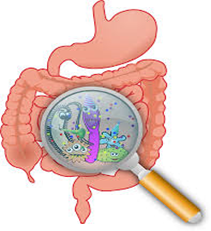
Metabolite contributed by gut microbiota and their respective function [9]:
| Metabolite | Respective Function |
| Short-chain fatty acids (SCFA) e.g., Acetate, butyrate, propionate, hexanoate, valerate | Regulate host metabolic pathways via G-protein-coupled receptor GPR41 or GPR43 -mediated signalling. Energy homeostasis; synthesis of glucagon-like peptide 1 (GLP-1); Increase leptin production. Improve glucose tolerance and insulin sensitivity. Potent histone deacetylase (HDAC) inhibitor – regulation of intestinal cell proliferation. Intestinal gluconeogenesis, lipogenesis, suppression of fasting-induced adipose factor Fiaf (lipoprotein lipase inhibitor) in intestinal epithelium. Immunomodulatory effect, activate dendritic cells, gut immunity. |
| Indole Derivatives E.g., Indole, indoxyl sulfate, indole-3-propionic acid (IPA) | IPA as powerful antioxidant, inhibitor of amyloid-beta fibril formation, and exhibits neuroprotective and cytoprotective effects against a variety of oxidotoxins. IPA regulates intestinal barrier function via the xenobiotic sensor, pregnane X receptor (PXR), in which it reduces intestinal inflammation (downregulates enterocyte pro-inflammatory cytokines TNF-a), and regulate intestinal permeability and mucosal integrity (upregulates junctional protein-coding mRNAs). |
| Bile acid metabolites: E.g., Deoxycholic acid (DCA), lithocholic acid (LCA) | Bile acid metabolites: E.g., Deoxycholic acid (DCA), lithocholic acid (LCA). Activate host nuclear receptors and cell signaling pathways: regulation of bile acid, cholesterol, glucose, lipid, and energy metabolism. Exhibit antimicrobial effects. |
| Choline metabolites: E.g., Choline, trimethylamine N-oxide (TMAO) and betaine | Modulate lipid metabolism and glucose homeostasis. Contribute to non-alcoholic fatty liver disease and cardiovascular disease |
| Phenolic derivatives: E.g., 4-OH phenylacetic acid, equol, urolithins, enterolactone, enterodiol, 8-prenylnaringenin, 2-(3,4-dihydroxyphenyl)acetic acid, 3-(4-hydroxyphenyl)propionic acid, 5-(3,4-dihydroxyphenyl)valeric acid | Antimicrobial effects: repress pathogenic microbes, influence gut microbiota composition, maintenance of intestinal health. Protective effect against oxidative stress. Estrogen-modulating effect. Platelet aggregation inhibition effect. Urolithin exhibits anti-inflammatory and cancer chemopreventive effects. |
| Vitamins: E.g., Thiamine (B1 B6), pantothenic acid (B5), biotin (B7), folate (B11–B9), cobalamin (B12), and menaquinone (K2) | Energy production, red blood cell formation, as enzymatic cofactor for diverse biochemical reactions. DNA replication, repair and methylation, regulating cell proliferation. Production of nucleotides, vitamins and amino acids |
| Polyamines: E.g., putrescine, spermidine, and spermine | Sustain high proliferation rate of Intestinal epithelial cells. Dysregulated polyamine metabolism possibly enhances cancer development. Enhance intestinal barrier integrity and function via stimulating synthesis of intercellular junction proteins r[occludin, zonula occludens-1 (ZO-1), E-cadherin]. Enhance maturation of intestinal and systemic adaptive immune system. Spermine inhibits pro-inflammatory M1 macrophage activation. |
Source of the table: Zhi Y. Kho and Sunil K. Lal*, The Human Gut Microbiome – A Potential Controller of Wellness and Disease.
Contribution for the intestinal immunity
Germ-free mice studies suggest that the microbiota directly promote local intestinal immunity through their effects on toll-like receptor (TLR) expression, antigen presenting cells, differentiated T cells, and lymphoid follicles as well as by affecting systemic immunity through increased splenic CD4+T cells and systemic antibody expression [3]
Another study suggest that tight regulation of Treg/TH17 balance by healthy host-gut microbiota interactions are critical to prevent aberrant immuneinflammatory response [9].
Is it true that a programmed diet will help in maintaining a balanced Microbiome in our Gut?
Though Gut microbiome is inheritable (genetic or epigenetic), it is not a fixed trait. External lifestyle factors such as diet, exercise drugs etc., influence and shape the gut microbiome.
Diet is the major influencing factor on the function and composition of the Gut microbiome, which eventually influence the metabolic response of the host to the diet. These are two distinct concepts.
This table gives details on few gut microbes commonly affected by diet and their physiological effects [3]
| Bacteria | Physiological changes | Associated disease states |
| Bifidobacterium spp. | SCFA production; improve gut mucosal barrier; lower intestinal LPS levels | Reduced abundance in obesity |
| Lactobacillus spp. | SCFA production; anti-inflammatory and anti-cancer activities | Attenuate IBD |
| Bacteroides spp. | Activate CD4 + T cells | Increased abundance in IBD |
| Alistipes spp. | Reported in tissue from acute appendicitis and perirectal and brain abscesses | |
| Bilophila spp. | Promote pro-inflammatory TH1 immunity | B. wadsworthia observed in colitis, perforated and gangrenous appendicitis, liver and soft tissue abscesses, cholecystitis, FG, empyema, osteomyelitis, and HS |
| Clostridium spp. | Promote generation of TH17 cells | Several spp. are pathogenic causing tetanus, botulism, gas gangrene, or pseudomembranous colitis |
| Roseburia spp. | SCFA production | Reduced abundance in IBD |
| Eubacterium spp. | SCFA production; form beneficial phenolic acids | Reduced abundance in IBD |
| Enterococcus spp. | Several spp. are pathogenic causing UTI, endocarditis, or bacteremia | |
| Faecalibacterium prausnitzii | SCFA production; anti-inflammatory effects | Reduced abundance in IBD and obesity |
| Akkermansia muciniphila | Anti-inflammatory effects | Reduced abundance in IBD, obesity, and psoriatic arthritis |
| Escherichia coli | TLR-activation | Increased abundance in IBD gastroenteritis, UTI, and meningitis |
| Helicobacter pylori | Gastritis; ulcers; mucosal associated lymphoid tissue (MALT) cancers | |
| Streptococcus spp. | Some spp. are pathogenic causing meningitis, pneumonia, and endocarditis |
Source of the table: Singh et al, Influence of diet on the gut microbiome and implications for human health. J Transl Med (2017) 15:73.
Microbiota-targeted diets:
Studies on overweight and obese people has shown that lower bacterial diversity (dysbiosis) plays a role in the development and progression of obesity. Lower bacterial diversity has also been observed in people with inflammatory bowel disease, psoriatic arthritis, type 1 diabetes, atopic eczema, coeliac disease, type 2 diabetes, and arterial stiffness, than in healthy controls. In Crohn’s disease, smokers have even lower gut microbiome.
Reduced gut microbiome diversity seems to be associated with various diseases, which indicates that species rich gut ecosystem is more robust against environmental influences, and diversity seems to be a generally good indicator of a “healthy gut.” [1]
Animal studies shows that artificial sweeteners such as sucralose, aspartame, and saccharin disrupts the balance and diversity of gut microbiota. Food additives, such as emulsifiers also found to affect the gut microbiome in animals.
Key points based on the previous Diet-microbiome interaction are probiotics or dietary fibre has a beneficial effect on Gut microbiome, which could potentially reduce obesity. Drugs, food ingredients, antibiotics, and pesticides could all have adverse effects on the gut microbiota.
Examples of foods, nutrients, and dietary patterns that influence human health linked to their effect on the gut microbiota
| Dietary element | Effect on gut Microbiome | Effect on health outcomes mediated by gut microbiome |
| Low FODMAP (fermentable oligosaccharides, Disaccharides, monosaccharides and polyols) diet | Low FODMAP diet increased Actinobacteria; high FODMAP diet decreased abundance of bacteria involved in gas consumption | Reduced symptoms of irritable bowel syndrome |
| Cheese | Increased Bifidobacteria, which are known for their positive health benefits to their host through their metabolic activities. Decrease in Bacteroides and Clostridia, some strains of which are associated with intestinal infections | Potential protection against pathogens.Increased production of Short chain fatty acids (SCFA) and reduced production of Trimethylamine N-oxide. |
| Fibre and prebiotics | Increased microbiota diversity and short chain fatty acid (SCFA) production | Reduced type 2 diabetes and cardiovascular disease |
| Artificial sweeteners | Overgrowth of Proteobacteria and Escherichia coli. Bacteroides, Clostridia, and total aerobic bacteria were significantly lower, and faecal pH was significantly higher | Induced glucose tolerance |
| Poly phenols (ex. From tea, coffee, berries and vegetables such as artichokes, olives and asparagus) | Increased intestinal barrier protectors (Bifidobacteria and Lactobacillus), butyrate producing bacteria (Faecalibacterium prausnitzii and Roseburia) and Bacteroides vulgatus and Akkermansia muciniphila. Decreased lipopolysaccharide producers (E coli and Enterobacter cloacae) | Gut micro-organisms alter polyphenol bioavailability resulting in reduction of metabolic syndrome markers and cardiovascular risk markers |
| vegan | Very modest differences in composition and diversity in humans and strong differences in metabolomic profile compared with omnivore diet in humans. | Some studies show benefit of vegetarian over omnivore diet, others fail to find a difference |
Source of the table: Ana M Valdes and colleagues, Role of the gut microbiota in nutrition and health. BMJ 2018; 361:j2179.
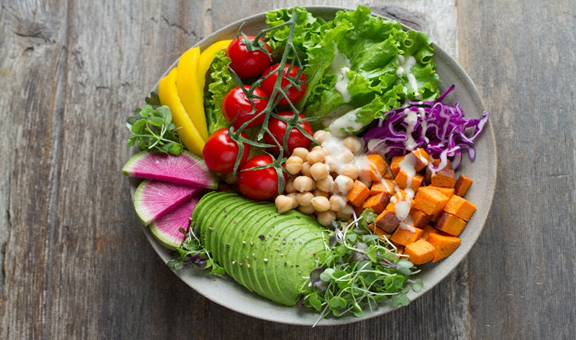
Dietary intervention and the Gut Microbiota
Three main categories of dietary interventions have been studied so far in precision nutrition-microbiome studies:
Role of Microbiota in response to fibre intervention, response to energy restriction and excess intervention, Response to bioactives, fermented products, and other dietary components.
However, the studies could not clearly conclude how specific certain microbiome features are associated with certain metabolic responses or dietary factors.
When we look into the precision nutrition field, it is still in its infancy. Although many studies are being carried out, precision nutrition and the role of the gut microbiome are still not clear and comprehensive.
Extensive research are going on to understand the interaction between gut microbiome and the diet, among those to mention, the effects of prior dietary practices and metabolic flexibility on gut microbiome is still an important area to be explored. This flexibility may be influenced by factors such as physical activity, age, other associated diseases etc. Other life style factors such as contribution of genetic, epigenetic factor on the diet-microbiome interactions should also be considered.[12]
Though this research area is very intricate, we hope the precision nutrition and the microbiome targeted diet prescription comes true soon.
References:
- Ana M Valdes and colleagues, Role of the gut microbiota in nutrition and health. BMJ 2018; 361:j2179.
- Christopher L. Gentile and Tiffany L. Weir, The gut microbiota at the intersection of diet and human health. Science 362 (6416), 776-780.
- Singh et al, Influence of diet on the gut microbiome and implications for human health. J Transl Med (2017) 15:73.
- Lloyd-Price et al, The healthy human microbiome. Genome Medicine (2016) 8:51.
- Chua et al. Temporal changes in gut microbiota profile in children with acute lymphoblastic leukemia prior to commencement-, during-, and post-cessation of chemotherapy. BMC Cancer (2020) 20:151.
- Gijs den Besten, Karen van Eunen, et al. The role of short-chain fatty acids in the interplay between diet, gut microbiota, and host energy metabolism. Journal of Lipid Research Volume 54, 2013.
- Lloyd-Price et al. The healthy human microbiome. Genome Medicine (2016) 8:51.
- Johnson AJ, Zheng JJ, Kang JW, Saboe A, Knights D and Zivkovic AM (2020) A Guide to Diet-Microbiome Study Design. Front. Nutr. 7:79. doi: 10.3389/fnut.2020.00079.
- Zhi Y. Kho and Sunil K. Lal*, The Human Gut Microbiome – A Potential Controller of Wellness and Disease (2018). Front. Microbiol. 9:1835. doi: 10.3389/fmicb.2018.01835.
- Riley L. Hughes* A Review of the Role of the Gut Microbiome in Personalized Sports Nutrition (2020). Front. Nutr. 6:191. doi: 10.3389/fnut.2019.00191.
- Hughes RL, Marco ML, Hughes JP, Keim NL, Kable ME. The role of the gut microbiome in predicting response to diet and the development of recision nutrition models—Part I: overview of current methods. Adv Nutr. (2019). 10:953–78. doi: 10.1093/advances/nmz022.
- Hughes RL, Kable ME, Marco M, Keim NL. The role of the gut microbiome in predicting response to diet and the development of precision nutrition models. Part II: results. Adv Nutr. (2019) 10:979–98. doi: 10.1093/advances/nmz049.
 Aware and Beware @ Health